
 Nine Lights has a new site! Check it out @ ninelightssurfboards.com
New Site!
•February 8, 2011 • Leave a Comment
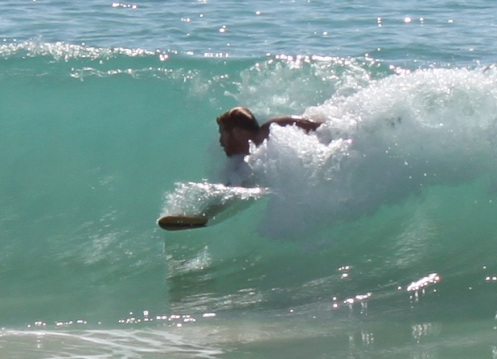
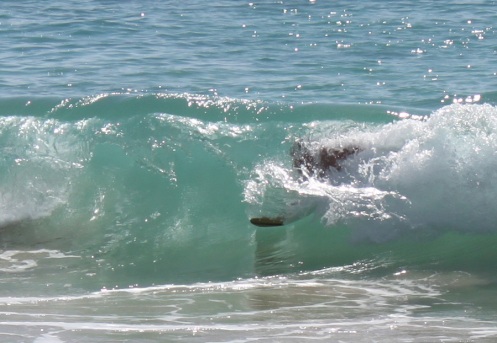
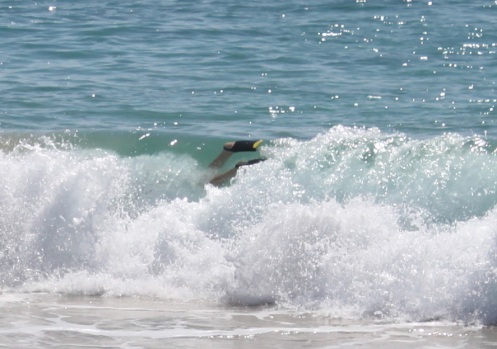 Fins+ handplane+ tiny shorepound= fun!
Now in Plain Flavor
•September 29, 2010 • Leave a Comment Nine Lights is now accepting conventional epoxy orders. Since money is harder to come by lately for everyone, I’ve decided to offer my budget line of boards. These are full epoxy boards, using Marko foam and Resin Research epoxy. Still way stronger than a polyester board, just not as bulletproof as a composite sandwich. They start at $572 for a clear board with FCS or Future fin system.
New Twinnie
•September 17, 2010 • Leave a Comment


 This is a new modern shortboard style twin fin. It’s 5’10” and more foiled out than a conventional twin. It’s built to surf more vertical like a thruster, but with the speed a twin fin can provide. It’s made with full composite construction out of stringerless 1 lb. EPS, balsa, and poplar, with custom poplar core fins and the weight is around 6 lbs.
Mad Granny
•August 29, 2010 • Leave a CommentThis is unrelated to surfboards or surfing, but I had to post it cuz it’s that funny. Also, I’ve been bicycle commuting lately, so I fantasize about doing this to inconsiderate drivers myself.
hand(air)Plane
•August 13, 2010 • Leave a CommentIntroducing handplane #2. One man’s trash is another’s treasure.


 *avaliable directly and at Thalia Street Surf Shop
Flex Fire
•August 12, 2010 • Leave a CommentIt’s good to see the flex fire is fueled. Stage 3 by Ryan Lovelace seen @ PC Progress
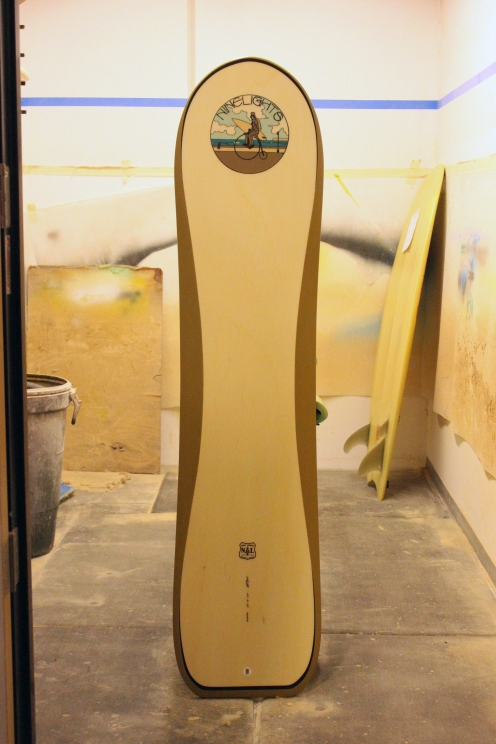 The Slipper @ here
It’s a Long Process
•August 7, 2010 • Leave a CommentI got a really unique request recently from my good friend Church, for a 4 channel single fin egg. He wanted it to be fairly short at 5′ 9″ and light and high performance. We went with Openface construction, with a double layer, concave deck of 2 lb. foam and 1/8″ poplar ply. Church also wanted it to be glassed with interference, or color shifting pigments that he uses in the amazing abstract paintings he makes. It gives the board a trippy iridescent look. He also taped off some geometrical patterns on the bottom that we sprayed white. The deck was also sprayed a matching blue with taped off triangles. This was one of the more complicated boards I’ve made, so I thought I’d show some of the process. *click on photos to enlarge

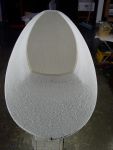
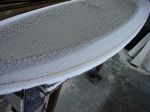


 Photos courtesy Church.
 Enjoy your board!

…
•July 14, 2010 • Leave a CommentThis was from a quick session locally with my brother Peder and Ryan Thomas. Ryan is riding an Openface board that belonged to Mitch Coleborn and my brother is riding a three fin bonzer made with poplar, balsa, and locally grown agave.
Short and Sweet
•June 29, 2010 • Leave a Comment


 This is a prototype extra short (5’0″) summer slop board largely inspired by hydrodynamicas hugely popular Mini /Simms models. It’s stringerless EPS epoxy with full pigment. The fins are custom-made EPS foam core (to save weight) single foil (to add drive) mounted with moderate cant and toe. Bottom contours are really basic on this one with a flat bottom to vee in the tail. This board is mine and was made for simple speed and tight turning in slop. Pretty basic – short= quick turns and bigger rudders= more drive. I haven’t been able to ride it yet cuz of my health but hopefully soon.
 Nine Lights Surfboards


You must be logged in to post a comment.